We will not hand you a made-up "daily average". Here are the prices that are actually published in 2026 (fares, entry fees, lunch, taxes) and how to use them to budget a week in Colombia.
Search for how much a trip to Colombia costs and you will see figures like "50 dollars a day" copied across hundreds of pages, rarely with a date or a source. The trouble is that between 2025 and 2026 transit fares, park fees and the price of lunch all went up, and the exchange rate has swung around. An old average can throw your whole budget off.
So we do it differently. We separate the costs that have an official, published price, which you can add up with confidence, from the ones that depend on you (accommodation, flights, restaurants). Every figure here is current as of November 2026, with sources at the end.
What is the exchange rate in Colombia?
The official reference is the TRM (Tasa Representativa del Mercado), certified by the Financial Superintendency and published by the central bank, Banco de la República. On 20 November 2026 it stood at COP 3,415.10 per US dollar, according to Infobae, after the biggest one-day jump of the year. For the sums in this guide we use a round 3,400 pesos to the dollar, but check the day's TRM before you change money.
The rate you get at an exchange house or from your bank will always be somewhat worse than the TRM. And when a card terminal or ATM offers to charge you in your home currency, say no; our Colombia travel tips explain why.
How much does getting around the cities cost?
Public transit is one of the cheapest parts of the trip, and each city sets its fares by decree:
- Bogotá, TransMilenio: COP 3,550 per ride since 14 January 2026. The same fare covers TransMilenio, TransMiZonal (the blue SITP buses) and TransMiCable, according to the city government. You need a rechargeable TuLlave card.
- Cartagena, TransCaribe: COP 3,900 since 23 January 2026, under Decreto 017 of 2026. That makes it the most expensive mass-transit fare in the country.
Taxis vary by city. In Cartagena taxis have no meters: fares go by zone and you agree the price before you get in. If you don't, the argument happens on arrival, when you have no leverage. Ride-hailing apps are useful as a reference for what a trip should cost.
How much do the main sights cost?
These are the published prices for some of the most popular things to do in Cartagena, Bogotá and Santa Marta:
- Castillo de San Felipe de Barajas (Cartagena): COP 38,000 full price, which is what foreigners pay, and COP 33,000 with a Colombian ID card, according to El Universal (February 2026). Colombians get in free on the last Sunday of each month except January and December; foreigners always pay.
- Rosario Islands: the park's three official charges (entry, La Bodeguita dock fee and mandatory insurance) add up to COP 40,300 per person, on top of the boat or tour. Our Rosario Islands guide has the breakdown.
- Monserrate (Bogotá): by cable car or funicular, COP 35,000 return Monday to Saturday and on public holidays, and COP 21,000 one way. On Sundays a return ticket costs COP 21,000, according to Monserrate's official site.
- Gold Museum (Bogotá): free every Sunday, and free for under-12s and over-60s, according to RCN Radio. Check banrepcultural.org for the weekday price and whether you need to book.
- Tayrona National Park (Santa Marta): for non-resident foreigners, COP 81,000 in low season and COP 96,500 in high season, according to Semana, citing Parques Nacionales' Resolución 551. Mind the park's annual closures, covered in our Tayrona guide.
How much does food cost in Colombia?
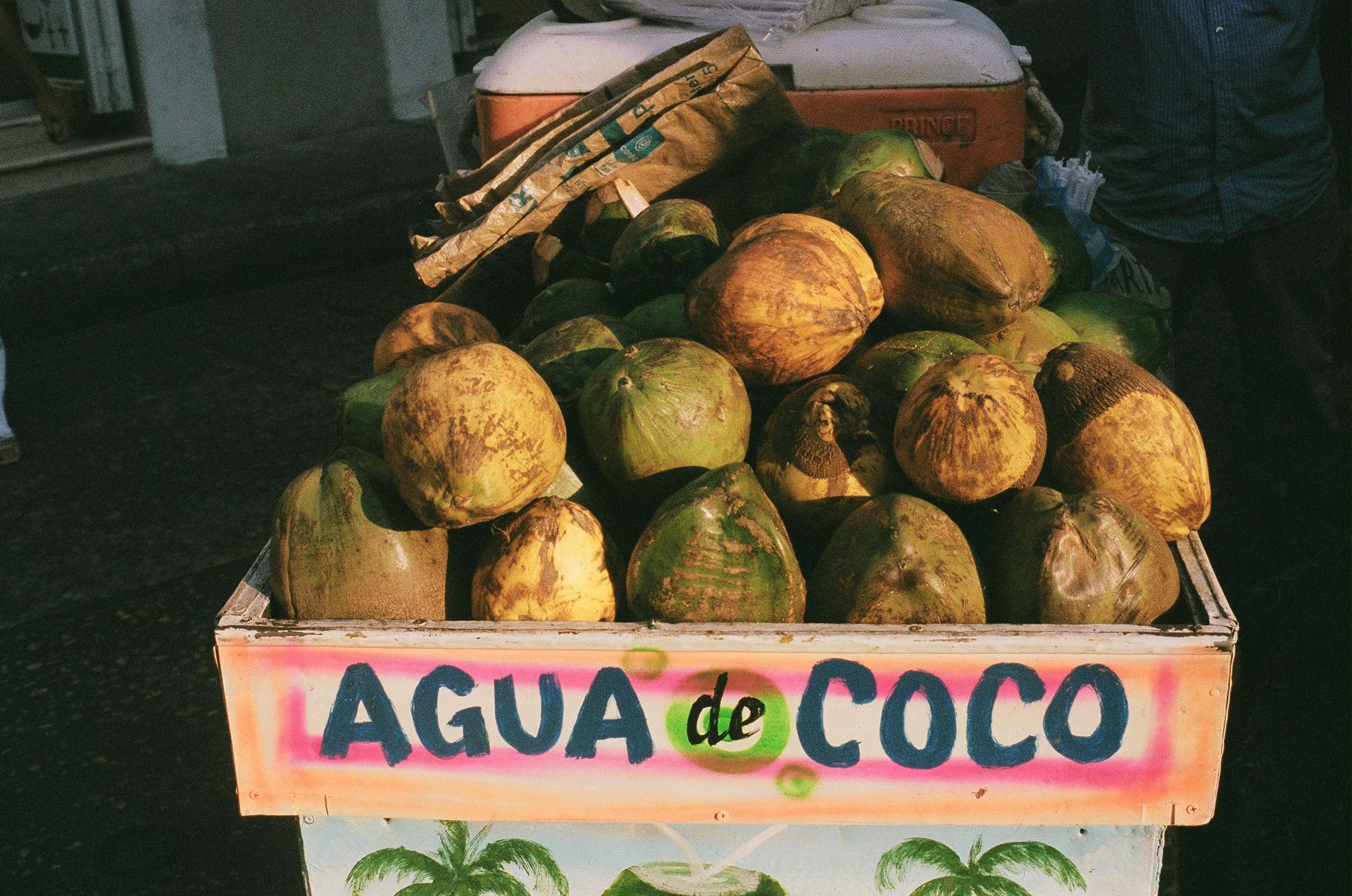
The cheapest way to eat a proper lunch is the corrientazo, the set menu of the day: soup, a main plate (rice, protein, beans or another side, salad) and a fresh juice. In February 2026 the head of Acodres Bogotá, the restaurant association, told Valora Analitik that in the capital it averaged COP 14,000 to 18,000, with COP 26,000 plates already showing up in business and shopping districts.
Food prices kept climbing after that. A La República analysis of DANE price data found that the ingredients for a typical lunch plate cost 22.4% more in October 2026 than a year earlier, led by potatoes and tomatoes. So treat those February figures as a floor, not a ceiling.
At tourist-facing restaurants in Cartagena or Bogotá's Zona G, the bill can run several times the price of a corrientazo. When you ask for the check you will be asked whether to include "servicio": that is a voluntary tip of up to 10%, and you can decline it.
How much does accommodation cost?
This is the line that moves your budget most, which is why we will not give you an average: it depends on the neighbourhood, the size and above all the dates. Prices rise in high season, which in Colombia runs from mid-December to mid-January, over Semana Santa (21 to 28 March in 2027), from mid-June to mid-July, and on long holiday weekends.
If you are travelling as a group or a family, a holiday apartment with a kitchen usually brings the cost per person down, because you are not paying for several rooms and you can make breakfast at home. Check that it has a National Tourism Registry (RNT) number: every legal tourist rental must have one.
Do foreign visitors pay VAT in Colombia?
There are two tax breaks for foreign tourists that few people use. Both come with conditions, so confirm them before you count on them.
VAT exemption on hotel and tourism services
Article 481 of Colombia's Tax Statute exempts from VAT (IVA) the tourism services used by non-residents, including hotel services. According to a 2024 opinion from DIAN, the tax authority, the exemption depends on you being a non-resident and is proven with your original passport and the entry permit you came in on as a visitor. When you book, ask the hotel, rental or agency whether the exemption applies and what document they will need.
VAT refunds on shopping
If you buy goods that you take out of the country, DIAN refunds the VAT to foreign tourists. The conditions, according to DIAN:
- Each invoice must exceed 3 UVT. With the 2026 UVT at COP 52,374, that means more than COP 157,122.
- A cap of 200 UVT per request (about COP 10.5 million in 2026).
- An electronic invoice dated between your arrival and departure. Cash-register till receipts do not count.
- You apply at refund points in ports, airports and land border crossings using Form 2737, and the money goes to a credit card issued outside Colombia, minus financial and operating costs.
Example: the fixed costs of a week in Cartagena and Bogotá
To show how the official prices add up, here is an example for one person spending four days in Cartagena and three in Bogotá:
- Castillo de San Felipe (foreign visitor): COP 38,000
- Official Rosario Islands charges: COP 40,300
- Four TransCaribe rides: COP 15,600
- Monserrate return on a weekday: COP 35,000
- Six TransMilenio rides: COP 21,300
- Gold Museum on a Sunday: free
Total: COP 150,200, about 44 US dollars at 3,400 pesos to the dollar. Then add the parts that depend on you: accommodation, flights (international, plus the domestic hop between cities), the boat or tour to the islands, taxis, food and shopping. That is your real budget, and it is where booking early pays off.
If you want to know what a stay in Bocagrande, El Laguito, Santa Marta or Bogotá would cost for your dates, browse our apartments or message us on WhatsApp and we will tell you what is available.