Colombia has more bird and butterfly species than any other country, a snowcapped range 42 km from the Caribbean, and a capital that closes its roads to cars every Sunday. Here are the facts that surprise first-time visitors most, and where to see each one for yourself.
More people are finding out. Colombia welcomed a record 4,677,267 foreign visitors in 2025, and foreign arrivals rose another 4.4% in the first quarter of 2026, with Bogotá, Medellín and Cartagena the top destinations. Here is what many of them didn't expect.
What is Cartagena famous for?
Its walls run for about 11 km
Cartagena has been a UNESCO World Heritage Site since 1984, and UNESCO describes its fortifications as the most extensive in South America. The coral-stone walls stretch for about 11 km and were completed in 1796.
Castillo San Felipe de Barajas is often described as the largest fortress Spain built in its colonies. Go early, because the midday sun on that stone is brutal. The best time to walk the ramparts is sunset, when the heat eases and the sea breeze picks up.
García Márquez rests inside the walled city
Since 2016, part of Gabriel García Márquez's ashes have rested in the Claustro de La Merced, part of the Universidad de Cartagena, right in the historic center. If you've read Love in the Time of Cholera, you already know the place: the novel is set in a city modeled mainly on Cartagena.
The first free town in the Americas is an hour away
San Basilio de Palenque, about an hour from Cartagena, is widely called the first free town in the Americas: a royal decree recognized its freedom in 1691. UNESCO proclaimed it a Masterpiece of Intangible Heritage in 2005.
People there speak Palenquero, the only Spanish-based creole language with a Bantu base. Its music shaped champeta, the sound you'll hear booming from speakers all over Cartagena. If you stay in Bocagrande or El Laguito, where our apartments are, the walled city is a short taxi ride away and you're well placed for an early start to Palenque.
What makes Santa Marta special?
It's Colombia's oldest surviving Spanish-founded city
Rodrigo de Bastidas founded Santa Marta on 29 July 1525, so the city turned 500 in 2025. Nearby Aracataca is García Márquez's birthplace and the inspiration for Macondo.
Snowcapped peaks 42 km from the sea
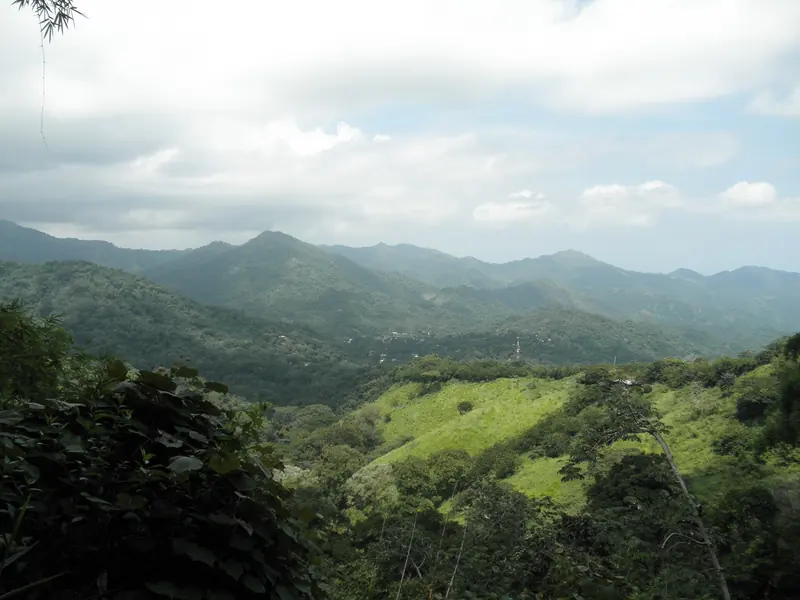
The Sierra Nevada de Santa Marta is the world's highest coastal mountain range, rising to about 5,700 m just 42 km from the Caribbean. It has been a UNESCO Biosphere Reserve since 1979. In one day you can go from the beach to cloud forest by heading up to Minca.
Ciudad Perdida is older than Machu Picchu
The Tairona built Ciudad Perdida (Teyuna) around 800 AD, roughly 650 years before Machu Picchu. It has 169 terraces and the only way in is on foot, on a multi-day trek through the Sierra. Expect heat, mud and river crossings. Few people finish it with regrets.
Colombia has more bird species than any other country
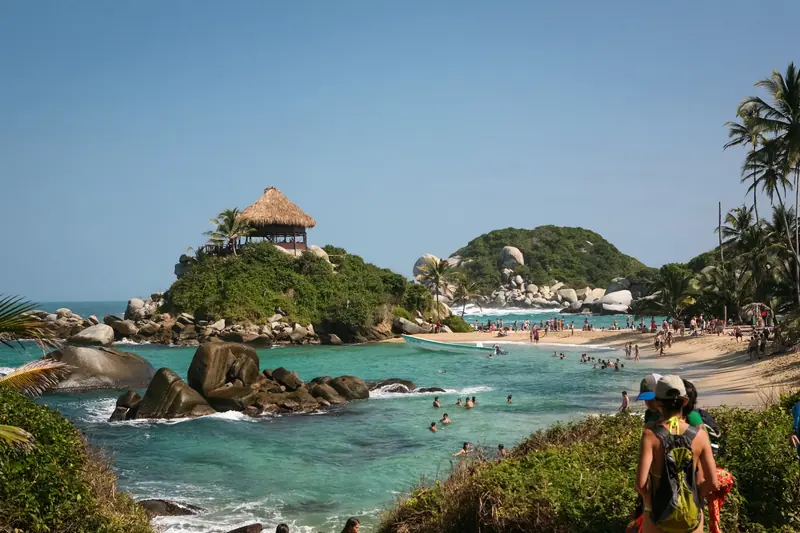
Colombia ranks first in the world for birds, with more than 1,900 species and about 79 found nowhere else. Minca, in the foothills above Santa Marta, is a great place to start. If Tayrona is on your list, note that Parques Nacionales closes it for set periods each year to let nature rest, so check the dates before you go.
Does Bogotá's altitude affect you?
You'll be sleeping at 2,640 meters
Bogotá sits at 2,640 m above sea level, and Monserrate reaches 3,152 m. You can go up by cable car, funicular or on foot. Most people adjust quickly, but you'll notice it on day one: you tire faster and drinks hit harder.
127 km of streets go car-free every Sunday
Bogotá's Ciclovía started on 15 December 1974. Every Sunday and public holiday from 7am to 2pm, about 127.7 km of roads close to cars, and around 1.5 million people come out to use them.
The Gold Museum holds more than 34,000 gold pieces
Bogotá's Gold Museum has the world's largest collection of pre-Hispanic goldwork, with more than 34,000 gold pieces. Give it at least two hours and don't skip the offering room.
What is Colombia known for?
One in five of the world's butterfly species
Colombia also leads the world in butterflies, with 3,642 species. That's about 20% of the global total, and more than 200 are endemic. Minca and the coffee farms around it are good places to spot them.
A river that turns red
Caño Cristales, in La Macarena (Meta), is known as the river of five colors. The red doesn't come from algae but from an aquatic plant found only in Colombia, Macarenia clavigera. It's usually open from June to November, and you'll need to fly in from Bogotá.
Coffee country is a UNESCO site
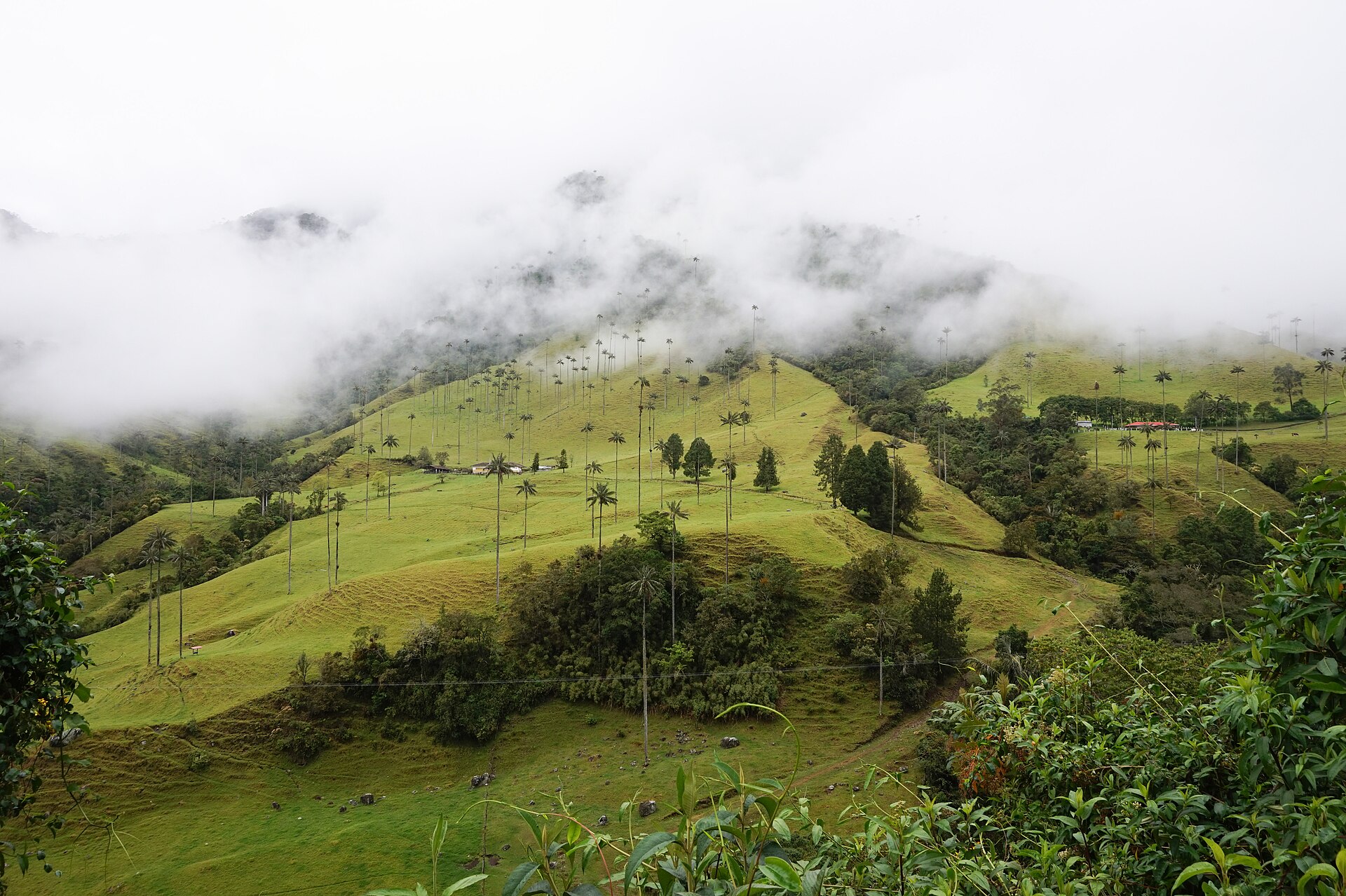
The Coffee Cultural Landscape was added to UNESCO's list on 25 June 2011. It covers parts of Caldas, Quindío, Risaralda and Valle del Cauca, where farms show you the whole process, from plant to cup.
Most of the world's finest emeralds
Colombia produces most of the world's finest emeralds, and Muzo in Boyacá is the most famous name. Bogotá has specialist jewelers. If you're spending serious money, buy only from established shops that give you a certificate.
Two music traditions recognized by UNESCO
UNESCO proclaimed the Barranquilla Carnival a Masterpiece in 2003 and added it to its Representative List in 2008. Cumbia is its signature rhythm. In 2015, vallenato music was added to UNESCO's list of heritage in need of urgent safeguarding.
Colombia has 18 public holidays in 2026
Under the Ley Emiliani, many holidays move to Monday, which gives Colombia about 15 long weekends (puentes) in 2026. On those weekends half the country heads for the coast, so beaches fill up and prices go up.
Know which one you want to see first? Browse our apartments in Cartagena, Santa Marta and Bogotá, or message our team on WhatsApp and we'll help you plan the trip.